 What Is TriScreen NIPT?
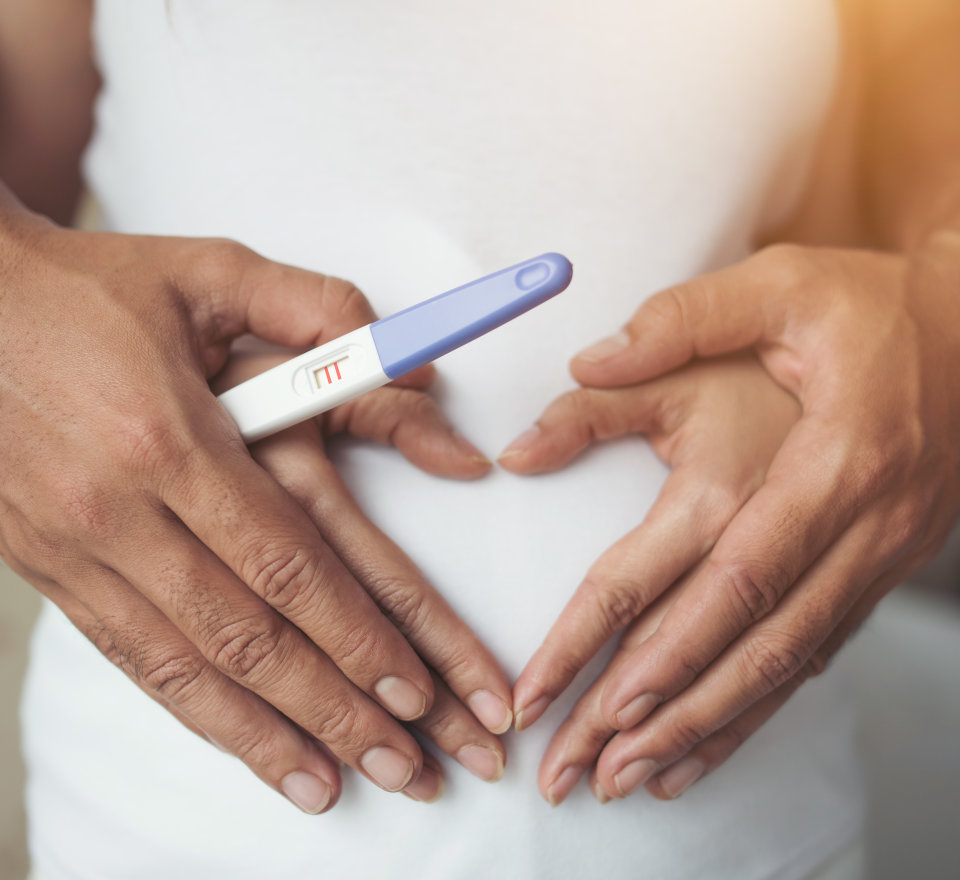
TriScreen (NIPT) is a non-invasive prenatal test that screens for the most common chromosomal abnormalities from as early as 10 weeks of pregnancy.
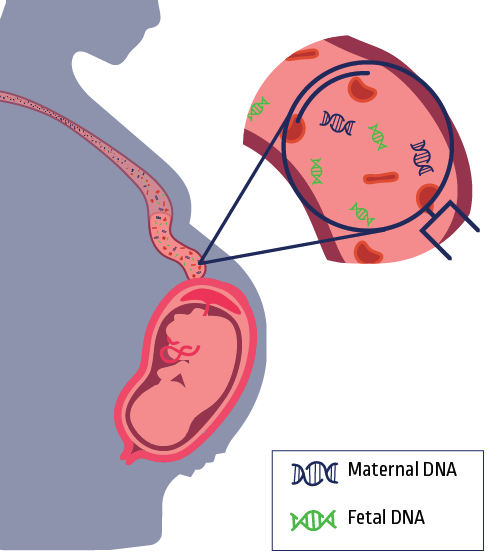
The test uses a single maternal blood draw to analyse cell-free fetal DNA present in the mother’s bloodstream. Compared to traditional screening methods such as ultrasound and serum screening, TriScreen NIPT offers higher accuracy and provides greater reassurance during pregnancy.
TriScreen NIPT is performed locally in South Africa, with testing conducted at Next Biosciences’ laboratory in Midrand, Johannesburg.
Understanding Chromosomal Abnormalities
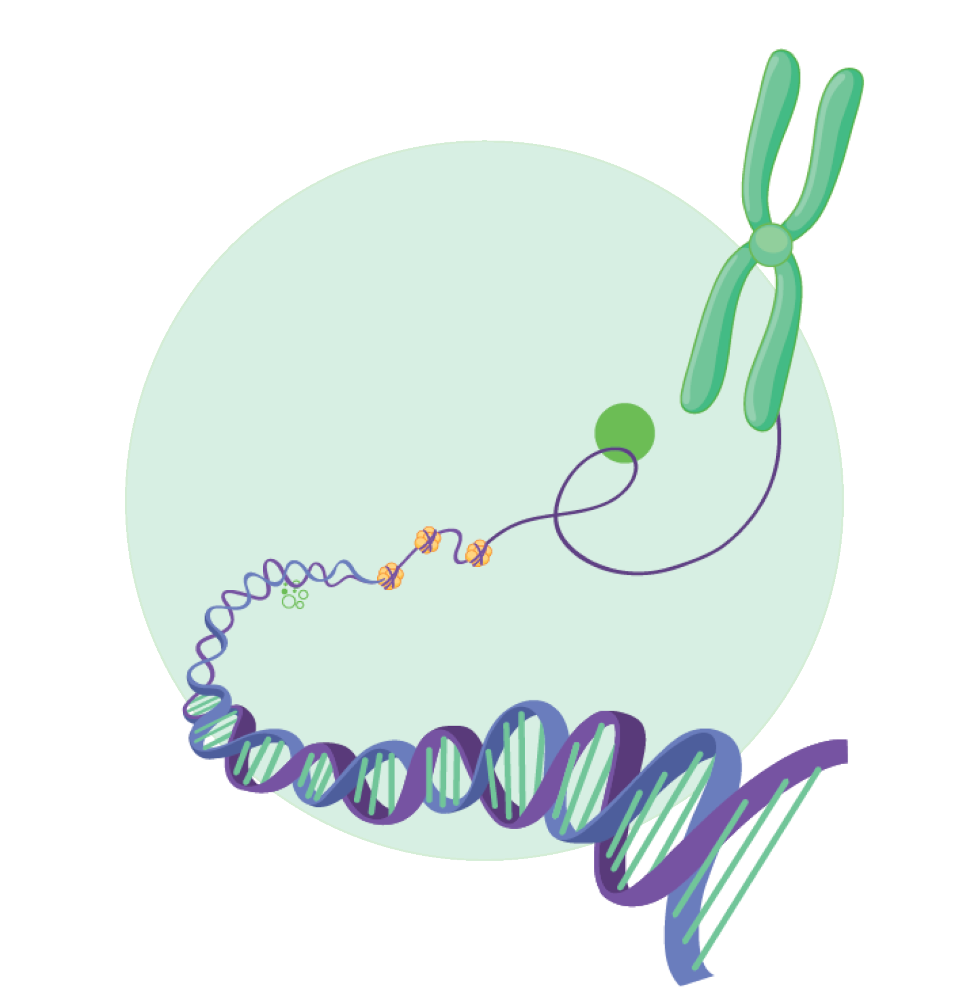
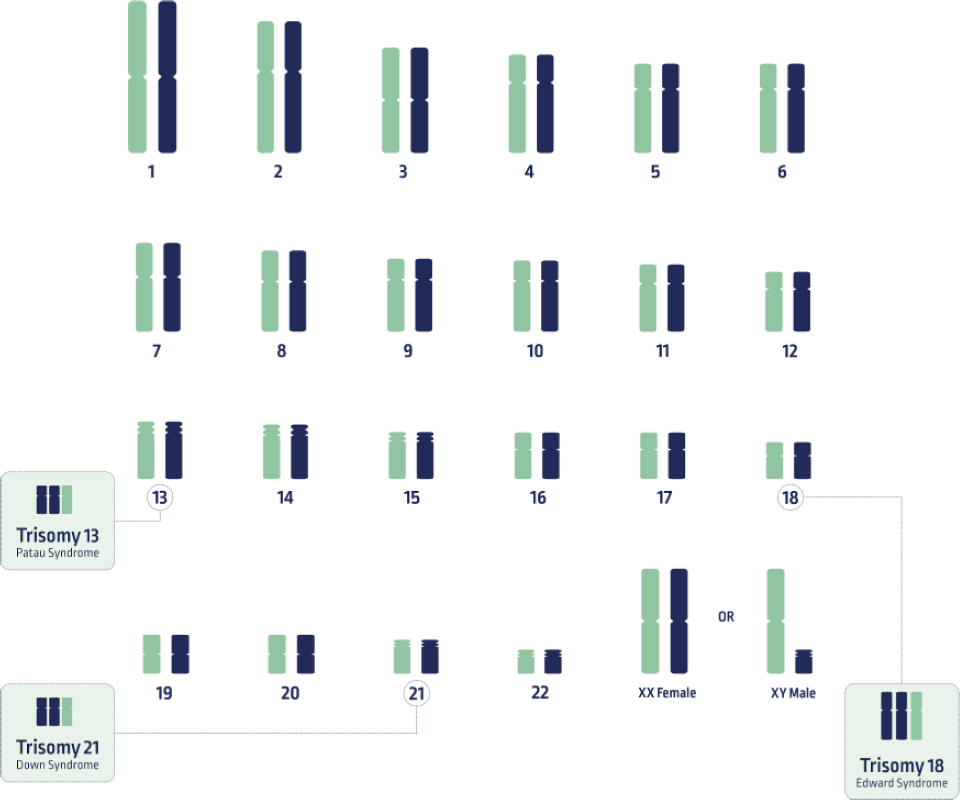
Humans typically have 23 pairs of chromosomes (46 in total). One chromosome in each pair is inherited from the mother and the other from the father.
Chromosomes 1 to 22 are numbered pairs, while the final pair are the sex chromosomes, which determine biological sex. Females usually have two X chromosomes, while males have one X and one Y chromosome.
- An extra chromosome is called a trisomy
- A change in the number of chromosomes can affect development.
- A missing chromosome is called a monosomy
- These changes can result in genetic conditions such as Down syndrome (Trisomy 21).
What Does TriScreen NIPT Screen For?
TriScreen NIPT screens for the most common chromosomal conditions:
Common Aneuploidies
- Trisomy 21 (Down syndrome)
- Trisomy 18 (Edwards syndrome)
- Trisomy 13 (Patau syndrome)
Sex Chromosome Conditions
- Turner syndrome (monosomy X)
- Triple X syndrome (XXX)
- Jacobs syndrome (XYY)
- Klinefelter syndrome (XXY)
Additional TriScreen NIPT Testing Options
Additional screening options are available depending on your needs:
All chromosome testing
- Screens chromosomes 1–22 and X & Y, including larger deletions and duplications (>7Mb)
- Microdeletion screening
Includes conditions such as:
- 15q11 deletion (Angelman/Prader-Willi syndromes)
- 22q11 deletion (Di George syndrome)
- 4p (Wolf-Hirschhorn syndrome)
- 1p36 deletion
- Rhesus (RhD) testing
- 5p (Cri-du-chat syndrome)
- Determines fetal RhD status
Additional logistics and blood draw arrangements may be required for these options. It is recommended that all high-risk or positive TriScreen NIPT results are confirmed with diagnostic testing such as Chorionic Villus Sampling (CVS) or amniocentesis.
Next Biosciences offers a free genetic counselling session for high-risk results.
Benefits of TriScreen NIPT
TriScreen NIPT offers:
- A simple blood draw from the mother’s arm
- Testing from as early as 10 weeks gestation
- High detection rates for screened conditions
- A non-invasive approach with no risk of miscarriage
- Very low false positive and false negative rates compared to traditional screening
- A travelling nurse service for at-home blood collection
- Flexible payment options (3 and 6 months)
- Access to genetic counselling for high-risk results

Who Can Use TriScreen NIPT?
TriScreen NIPT is suitable for:
Singleton pregnancies
Twin pregnancies
IVF pregnancies
Surrogate pregnancies

Donor pregnancies
How TriScreen NIPT Works
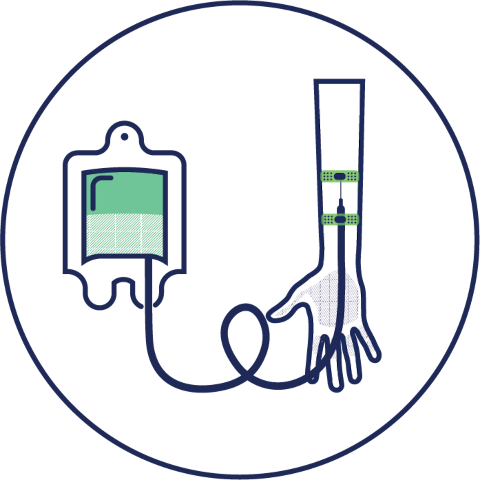
Blood is collected from the mother’s arm from 10 weeks of pregnancy
The sample is analysed at the Next Biosciences laboratory
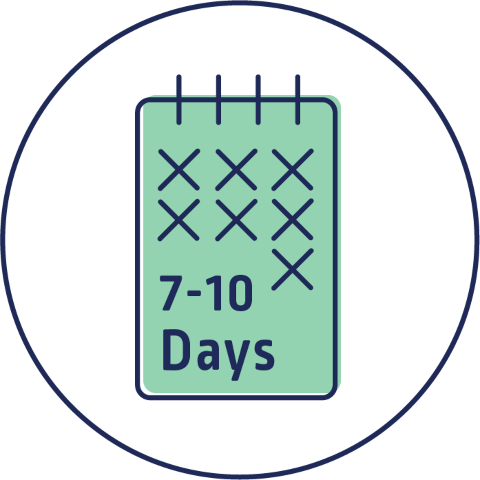
Results are sent to your healthcare provider within 7–10 working days
Note: Some advanced testing options may be processed at an international laboratory.
Important Disclaimer :
TriScreen Non-invasive prenatal testing (NIPT) is a screening test, not a diagnostic test. Results should not be used
as the sole basis for medical decisions. Confirmatory Testing is required before making any irreversible
pregnancy decisions.
Frequently Asked Questions
Find answers to common questions about TriScreen NIPT:
References
- American College of Obstetricians and Gynecologists: Screening for fetal aneuploidy. Obstet Gynecol. 2016;127(5):e123-137.