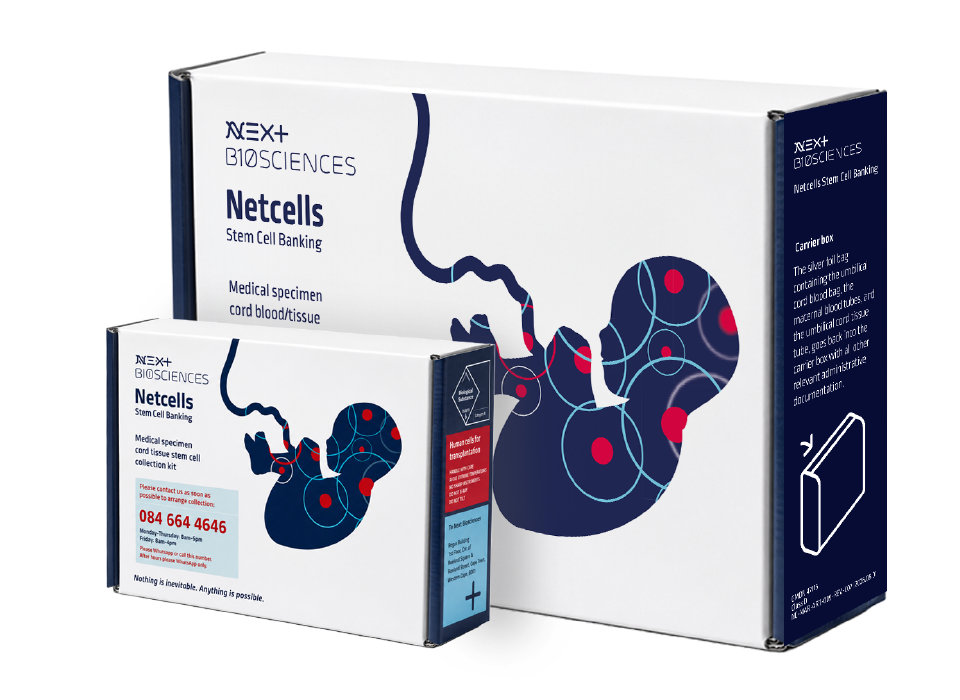
Netcells Icon Safeguard your baby’s future health

Stem cell banking is a way of preserving your baby’s umbilical cord blood and cord tissue at birth for potential future medical use.

Netcells has been operating in South Africa for over 21years, providing families with trusted stem cell banking services. When your baby is born, their umbilical cord blood and cord tissue can be collected and cryo preserved. Cryo saving refers to the process of collecting and preserving stem cells from your newborn’s umbilical cord blood and/or tissue. Like all insurance, you hope you never have to use it. But if you do, you have immediate access rather than joining a donor waiting list.

To understand how to secure stem cell banking before your baby’s birth, view our Ordering Process. You can also explore our Pricing Calculator options to see which plan suits your family.

Pricing Calculator

What are Stem Cells?

Stem cells are often described as the building blocks of life. They are the cells that form in early development and have the ability to develop into different specialised cell types in the body.

Umbilical cord blood and cord tissue are valuable sources of stem cells because:

  • Collection at birth is safe and painless to both mother and baby
  • They are biologically young
  • They would otherwise be discarded as medical waste
  • Collection does not raise ethical or religious concerns
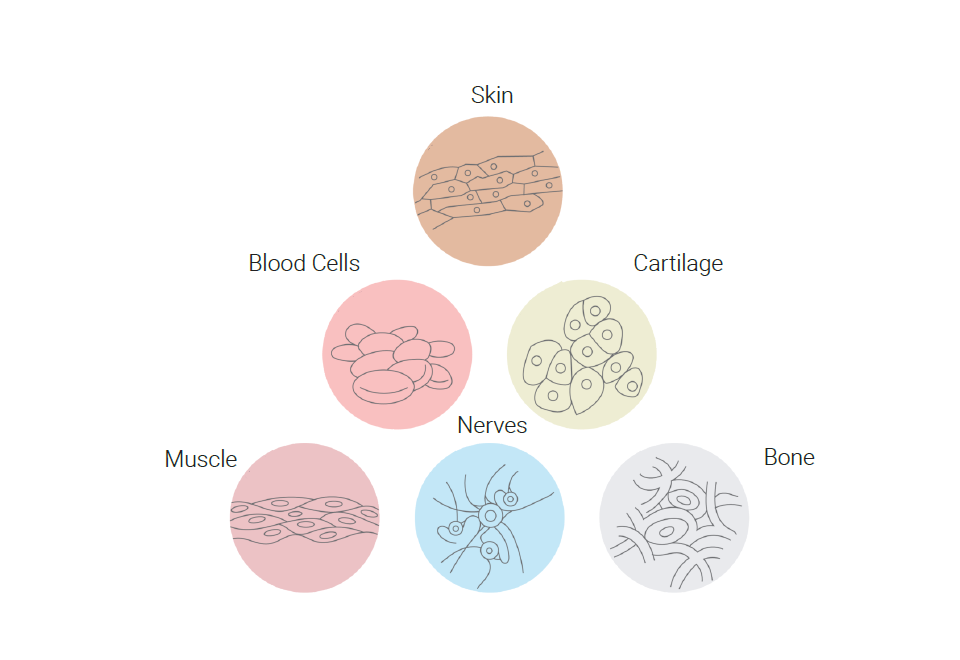
What Are Stem Cells?

These are the different cell types in your body

Umbilical cord blood and umbilical cord tissue are two distinct sources of stem cells, each with its own unique properties and therapeutic potential. Cord blood contains haematopoietic stem cells (HSCs), which play a vital role in supporting blood and immune system function, while cord tissue contains mesenchymal stem cells (MSCs), which are associated with tissue repair and regenerative medicine. Understanding the difference between these two sources can help you make a more informed decision about what to store for your family’s future.

Category Ubilical Cord Tissue Ubilical Cord Blood
What is collected A section of the umbilical cord tissue Blood present in the umbilical cord after birth
Type of stem cells Mesenchymal stem cells (MSC) Haematopoietic stem cells (HSC)
Primary role of stem cells Support tissue repair, healing, and emerging therapies in regenerative medicine Support blood and immune system regulations
Commonly associated with Orthopaedic, cartilage, tissue repair therapies and autoimmune disease therapies Blood-related conditions and immune support
Cell characteristics Can develop into bone, cartilage, fat and connective tissue cells Form blood and immune cells
Who can use them Cells are immune-privileged, no type matching required Cells are immunogenic, requires successful HLA-type matching for transplantation
Availability after birth One-time opportunity to collect One-time opportunity to collect
Usage after storage Multiple (depending on treatment requirements) One-time usage

What is Cord Blood?

Your baby’s umbilical cord blood contains blood forming stem cells. These stem cells are currently used in the treatment of blood-related disorders and immune conditions.

They are used in the regeneration of bone marrow, helping to replace diseased or damaged cells with healthy new cells. This allows doctors to rebuild a person’s blood and immune system in certain medical treatments.

If you would like to understand how cord blood is used in medical settings, read more about the Uses for Stem Cells.

What Is Cord Blood?

How is Umbilical Cord Blood Collected?

The umbilical cord is clamped and cut after birth.
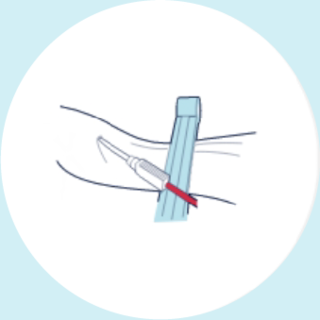
The umbilical cord is clamped and cut after birth.

A sterile needle is inserted into the umbilical cord vein and the blood is collected into a sterile medical bag.
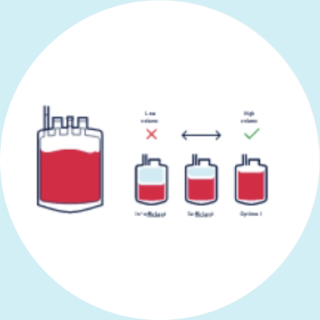
A sterile needle is inserted into the umbilical cord vein and the blood is collected into a sterile medical bag.

Between 100 and 150ml of cord blood is needed for successful storage.

Between 100 and 150ml of cord blood is needed for successful storage.

The collection process is quick, safe and painless for both mother and baby. If your healthcare provider is not familiar with the process, Netcells can provide detailed guidance and instructional material.

How are Stem Cells Stored?

After collection, the stem cells are transported to our specialised laboratory facility.

After collection, the stem cells are transported to our specialised laboratory facility.

There, they undergo processing and cryopreservation, a method that uses ultralow temperatures to maintain cell viability.

There, they undergo processing and cryopreservation, a method that uses ultralow temperatures to maintain cell viability.

The stem cells are stored in the vapour phase of liquid nitrogen in specialised storage tanks, which are serviced and monitored annually.

The stem cells are stored in the vapour phase of liquid nitrogen in specialised storage tanks, which are serviced and monitored annually.

Temperature monitored. Backup power systems. Controlled access.
  • Temperature monitored
  • Backup power systems
  • Controlled access

Get a personalised quote Send an enquiry to Netcells

What Is Umbilical Cord Tissue?

What is Umbilical Cord Tissue?

Umbilical cord tissue contains Mesenchymal Stem Cells (MSCs) that form connective tissues in the body, including skin, bone, muscle, cartilage, nerve and fat.

These cells are being used in emerging therapies for their regenerative potential in a wide range of medical applications and clinical trials.

Collection at birth is ideal because:

  • The cells are biologically young
  • The process is painless
  • Harvesting later in life is more invasive

How is Umbilical Cord Tissue Collected?

Cord tissue is collected by your gynaecologist, doctor or midwife once baby is safely delivered.
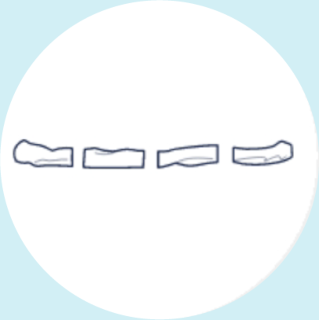
Cord tissue is collected by your gynaecologist, doctor or midwife once baby is safely delivered.

After cord blood collection and delivery of the placenta, a 10 to 15 cm section of the umbilical cord is cleaned and cut.
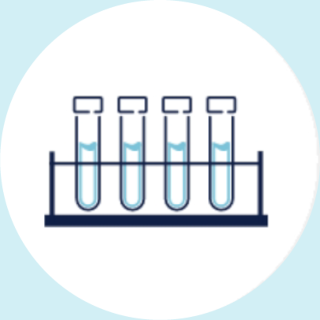
After cord blood collection and delivery of the placenta, a 10 to 15 cm section of the umbilical cord is cleaned and cut.

The tissue is placed into a sterile collection tube and secured for transport back to the laboratory.

The tissue is placed into a sterile collection tube and secured for transport back to the laboratory.

Frequently Asked Questions

Find answers to common questions about Stem Cell Banking:

  • Register online via the easy-to-use online registration platform, select your preferred banking options and payment terms, and make payment for the registration fee.
  • We will deliver a collection kit to you and one of our client services team members will take you through the process to ensure you are properly informed.
  • You take the collection kit with you to the hospital for your gynae/midwife to do the stem cell collection.

When privately banked with Netcells, your baby's stem cells are stored exclusively for the use of your child and their family - giving you the peace of mind that this precious resource is always there when your family needs it.

  • Saving them at birth is easy, painless and a lot less invasive than harvesting stem cells later in life.
  • Your chances of finding a stem cell donor match are 1 in 100 000 and the odds drop much further for mixed race persons or ethnicities that are under-represented on stem cell registries.
  • The cord blood stem cells will be a perfect match for your baby, which means no risk of rejection.
  • Stem cells collected at birth are biologically younger than stem cells collected later in life and have better regenerative potential.

If the blood disorder is hereditary, the cord blood stem cells could not be used for treatment as the disease is found in the stem cells as well. In these situations, you would look to use a sibling’s stem cells, should they be a tissue match.

There may be instances where cord blood and/or cord tissue cannot be collected. This can happen if complications arise during labour or delivery, in which case your gynae/midwife will always prioritise the health and safety of mom and baby.

Certain labour and birth situations - such as fetal or maternal distress, premature delivery, multiple births, or placental complications - may result in a low volume or unsuccessful collection. Should this occur, you will be refunded the processing and storage fees you have paid.

There are eligibility criteria for the community bank. This is because the South African Bone Marrow Registry needs to ensure that the cord blood sample is not potentially affected by anything which may be transferred over to a recipient in need during a stem cell transplant.

We need to look at the biological mother and father, and both their families’medical history to determine the risk for passing on a blood transmissible disease or an inherited blood, autoimmune, metabolic or neurological disorder which may affect cord blood.

We will screen the mother for any blood transmissible viruses she could have passed on to her child during pregnancy.

We recommend that cord blood/cord tissue is banked separately for each child in the case of twins or triplets, however individual cases can be discussed with our Medical Director.

Non-identical twins and non-identical triplets are conceived from different eggs and sperm and are no more alike than siblings born at separate times. The chance of a tissue type (HLA match) between siblings is 25%. In these cases, it is advised to store for each baby as their tissue types are different. Having two units stored increases the likelihood of a useful match between family members, and it is possible to combine smaller units should siblings be a match to ensure an adequate stem cell yield for transplantation if ever needed.

For identical twins or rarely identical triplets the fertilised egg divides at an early stage of development and the babies will have the same genetic information. However even in these cases, minor genetic changes may occur after conception and during fetal development. While identical twins are genetically identical, small genetic differences may exist at varying stages of development, causing a low but present risk of differences in disease profiles. For example, one twin may develop leukemia or diabetes and the other does not.

However, if you request only one collection for cord blood and tissue for identical twins, it is possible to do so after discussing this with our Medical Director. Each case should be discussed with the Medical Director and your obstetrician, and the implications of this explained to them. The obstetrician must be sure that this is a case of identical twins for this to be considered.

Either a single collection can be done from one twin with the option to use the unit for the other twin should the need arise OR cord blood can be collected from each umbilical cord (in the case of a single placenta) and combined in one bag. This will lead to a situation of two genetically identical donors for a single unit and hence we recommend that in these cases the unit should be used for syngeneic transplant (i.e. a stem cell transplant only between the identical twins) and possibly not for other siblings. However, should one baby develop a genetic disorder requiring a transplant and the blood is combined, the transplant doctor may decide not to use the cord blood stem cells as they may contain the same genetic problem.

Cord tissue does not require as stringent HLA matching as cord blood so it is possible to only store one umbilical cord tissue unit for both babies.

Please note that collections for any multiple pregnancy has a higher risk of a lower volume with lower cell counts. This is because multiple pregnancies can often be premature, with smaller babies with lower birth weights and smaller placentas. In the case of emergencies where the mother’s health or that is of the babies is of utmost importance, the doctor may decide to abandon the cord blood collection procedure and safely deliver the babies.

Ideally, your child or their sibling’s stem cells will never be needed and should be regarded as an extra form of medical insurance.

Studies in the USA have been done to calculate a lifetime probability (age 0-70) that a person will undergo a stem cell transplant:

  • 1 in 435 people may receive their own stem cells
  • 1 in 400 people will receive someone else’s cells
  • The total combined number of stem cell transplants is 1 in 217 people.

As more clinical uses become evident, these statistics are likely to increase the likelihood of use particularly for more commonly occurring medical illnesses.

Next Biosciences will always refund the portion of the fee relating to the service that wasn’t utilised. Additionally, Next Biosciences takes the risk on processing, so if for whatever reason there are not enough stem cells for storage and you don’t store, then we will refund the banking and storage fees.

Stem cells stored with a private bank belong to that family - the parents are the guardians of the stored stem cells until the child turns 18. They may store the stem cells for as long as they wish and may donate them to whoever they choose.

For example, if another child is found to be a match and in need of a stem cell transplant, the family may choose to donate their stored stem cells. However, families are not permitted to receive any payment or remuneration for such a donation, in accordance with South African law, which prohibits the sale of biological material including organs and blood.

Prior to releasing any stored stem cells, Netcells will require documentation from the transplanting doctor. Once verified as legitimate and destined for a registered doctor, hospital, or institution, the release of stem cells to the transplanting clinic will be approved.

The cord blood stem cells are ready for use. The administering doctor will contact us, provide the relevant documentation and we will co-ordinate the transport of the cells to them.

Cord tissue stem cells will need to be cultured to whatever use they are needed for e.g. bone regeneration or skin regeneration, etc.

  • Cord blood – there are no retrieval costs. Cord tissue – the cells need to be extracted from the tissue and cultured. The cells may then need to be manipulated further depending on the treatment required. There will be a charge for this process, which will be quoted based on individual uses.
  • Cost of therapy – cord blood transplantation for bone marrow regeneration is generally covered by medical aid. Cord tissue MSCs will be quoted by the consuting physician.
  • Finding a match – through the bone marrow registry is approximately R250 000.
  • Cost of buying the stem cells from overseas – anywhere between R300 000 and R1 million.

  • Netcells has released three stem cells units.
    • We released our first cord blood unit in March 2015 to treat an eight-month-old baby boy at Duke University in the USA.
    • We released our second cord blood unit in June 2016 to treat a 3-year-old boy with cerebral palsy at Duke University.
  • We have had a few siblings who required stem cell transplants but these were unfortunately not a match. Our sister company Smart Cells in the UK has already released 21 cord blood units for the treatment of cerebral palsy, thalassaemia, leukemia, brain injury, severe combined immunodeficiency disorder, sickle cell anaemia and encephalitis.

This depends on the number of stem cells stored in each individual unit and the size of the person who requires the transplant. The optimal dose is 10 -20 million nucleated (CD45) cells per kilogram of body weight. The cell counts are different for every collection and depend on the volume of blood collected as well as other factors in pregnancy. Your baby’s cell counts will be reported to you on your storage certificate.

The average number of stem cells collected from an average volume of 100 ml can usually treat up to a 50kg person, but this varies. Some of the units contain large numbers of cells which would be enough to treat adults with a single unit, and others are much smaller and are suitable for smaller children. In larger adults, often two matched units can be combined (either from a sibling or an unrelated donor).

Keeping your child’s stored cord blood and tissue can continue to provide peace of mind knowing you have a shield against life’s uncertainties. Cells derived from the cord blood and cord tissue continue to have a fundamental advantage to treat disease than cells derived later in life and are a valuable resource to continue to invest in should you ever need regenerative medicine procedures or disease treatment in the future. Stem cell research continues to evolve, and new treatments are emerging. Renewing storage ensures access to these future therapies.