
MiniMi Early Fetal Sex Test
 What is the MiniMi Early Fetal Sex Test?
MiniMi is an early fetal sex test available in South Africa that can determine whether an unborn baby is a girl or boy from as early as 10 weeks of pregnancy.
The test is performed using a simple blood sample from the expectant mother. During pregnancy, DNA from the baby’s placenta circulates in the mother’s bloodstream. Because the placenta and the baby develop from the same cells at conception, analysing this placental DNA allows the baby’s genetic material to be studied.
By analysing the fetal DNA present in the mother’s blood, the MiniMi test can determine the baby’s sex without invasive procedures. This type of testing is often referred to as a non-invasive gender test or gender blood test.

How the MiniMi Fetal DNA Test Works
Understanding Chromosomes
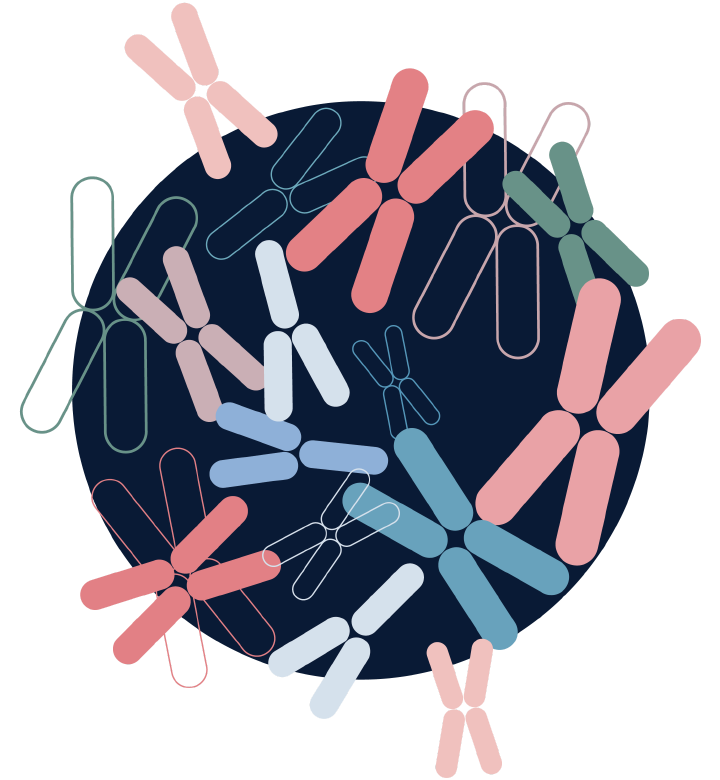
Humans have 23 pairs of chromosomes within almost every cell of the body. One set comes from the mother and the other from the father.
The final pair of chromosomes are the sex chromosomes:
- Males usually have one X and one Y chromosome (XY)
- Females usually have two X chromosomes (XX)
Detecting the Y Chromosome
The DNA extracted from the mother’s blood is analysed using advanced molecular technology.
Scientists look specifically for the presence of a Y chromosome in the fetal DNA:
- If no Y chromosome is detected, the baby is a girl
- If a Y chromosome is detected, the baby is a boy
This allows the test to provide an early gender reveal using a blood sample.
MiniMi Can Be Performed on Expectant Mothers

With a single pregnancy.

Who are 10 weeks pregnant or more.
MiniMi Cannot Be Performed on Mothers

Who had a vanishing twin present in the past four weeks of their pregnancy.

Who are not yet 10 weeks pregnant.

Who are carrying non-identical twins (fraternal), as we cannot differentiate between the two babies' DNA.
Who have received a blood transfusion or a tissue transplant from a male donor.
Benefits of the MiniMi Early Gender Test
Early Gender Reveal
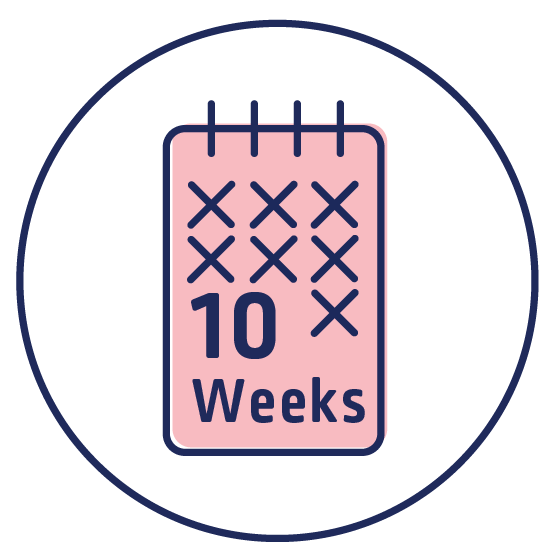
The sex of the baby can be determined from as early as 10 weeks of pregnancy, earlier than many traditional methods. The test is 98% accurate.
Simple Blood Test
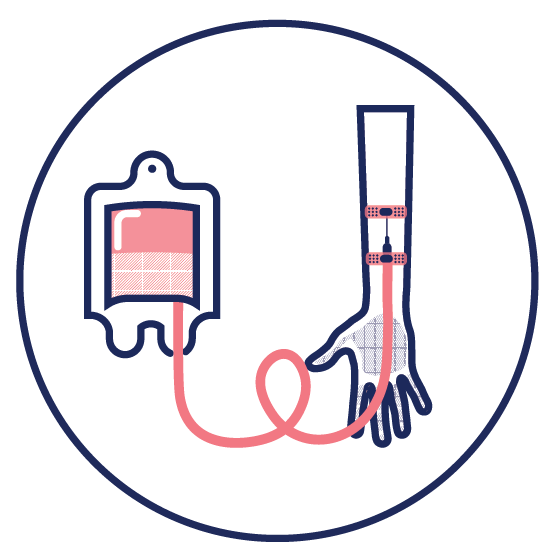
Only a single blood draw from the mother’s arm is required.
Non-Invasive Testing

MiniMi is a non-invasive gender test, meaning it poses no risk to the baby or the pregnancy.
Ordering Process
Limitations of MiniMi
MiniMi is not a diagnostic test. In rare cases, the sex of the baby may be inaccurately reported or may not be determined. The test is 98% accurate.
Certain factors can affect the accuracy of the test.

If there was a vanishing twin in this pregnancy that the mother was not aware of.

The mother has a high body mass index (BMI).

The mother is on certain types of medications, such as blood thinners.

The mother has an inflammatory or autoimmune condition such as systemic lupus erythematosus, rheumatoid arthritis, or scleroderma.

There is a sex chromosome anomaly/gender disorder in the unborn baby which you may not be aware of at this stage of the pregnancy.
Downloads
PathCare Locations
Frequently Asked Questions
Find answers to common questions about the MiniMi Early Fetal Sex Test: