Endometrial health testing evaluates the receptivity, or readiness, of the uterine lining to determine the optimal window for embryo transfer during IVF. It also assesses the endometrial microbiome to ensure a healthy uterine environment that supports embryo implantation. The results help guide personalised embryo transfer and informed clinical decision-making throughout IVF treatment cycles.
 Endometrial Receptivity Test
What is the Endometrial Receptivity Test?
The Endometrial Receptivity Test allows couples undergoing IVF to identify the optimal time for embryo transfer.
We have partnered with CooperGenomics to provide the ERPeak® Endometrial Receptivity Test, which analyses the expression of hormone regulated genes in the endometrium. This analysis determines when the endometrium is most receptive, allowing clinicians to schedule embryo transfer at the ideal time.
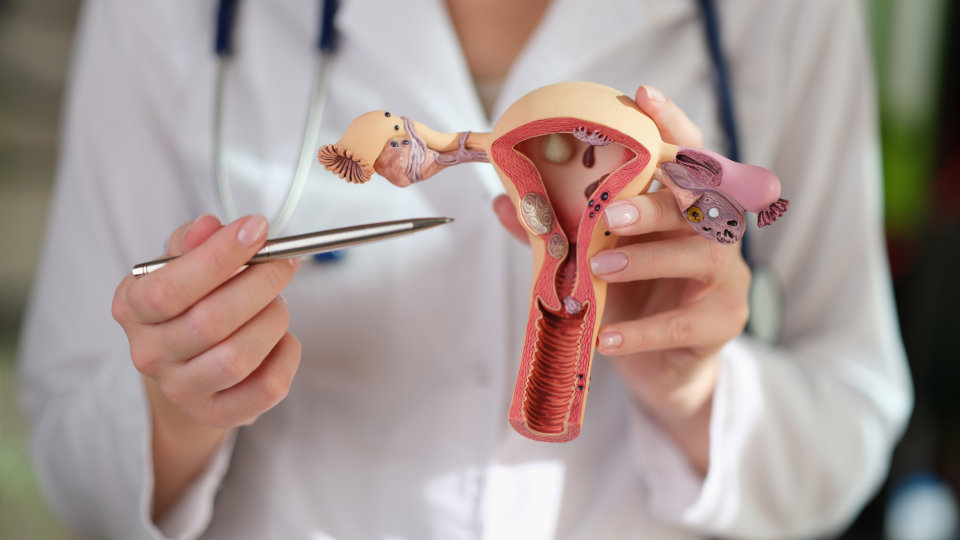
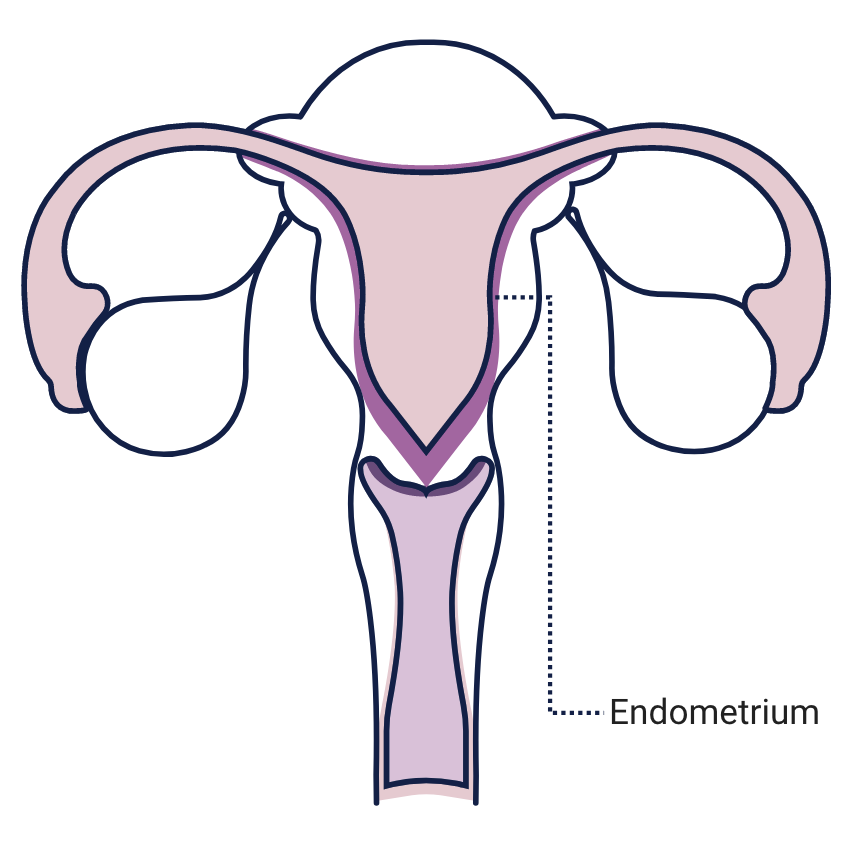
Understanding Endometrial Testing in IVF
Successful embryo implantation depends on two key factors:
- The right timing for embryo transfer
- The right endometrial environment
Endometrial testing helps fertility specialists determine when the endometrium is most receptive to implantation and whether the endometrial microbiome supports successful pregnancy.
Understanding the Window of Implantation
The Window of Implantation (WOI) refers to the brief period when the endometrium is prepared for embryo implantation.1,2
This typically occurs around five days after progesterone exposure during an assisted reproduction treatment cycle.
Women who have experienced recurrent implantation failure (RIF) are more likely to have a shifted window of implantation. If the WOI occurs earlier or later than expected, embryo transfer timing may need to be adjusted.
Endometrial Receptivity Testing is recommended for:
- Women who have had multiple failed embryo implantations
- Women struggling with fertility
- Patients seeking reassurance regarding implantation success
- RIF patients with one remaining high-quality embryo available for transfer
Benefits of Endometrial Receptivity Testing
- Helps determine the optimal time for embryo transfer
- Reduces unnecessary repeated mock cycles or biopsies
- May increase pregnancy and birth rates
- May reduce miscarriage rates
- Helps shorten time to successful pregnancy
Endometrial Microbiome Test
What is the Endometrial Microbiome Test?
We have partnered with CooperGenomics to provide the ERBiome℠ Endometrial Microbiome Test. This test analyses the microbial environment of the endometrium to determine whether it supports successful embryo implantation during IVF or natural conception.
A healthy endometrial environment is typically characterised by a dominance of Lactobacillus bacteria and the absence of reproductive tract pathogens.
Why the Endometrial Microbiome Matters
The microbiome of the uterus can influence implantation success.
A Lactobacillus-dominant environment is associated with improved reproductive outcomes, while certain reproductive tract pathogens may inhibit successful implantation.
The test screens for 18 reproductive tract pathogens associated with implantation failure or chronic endometritis.
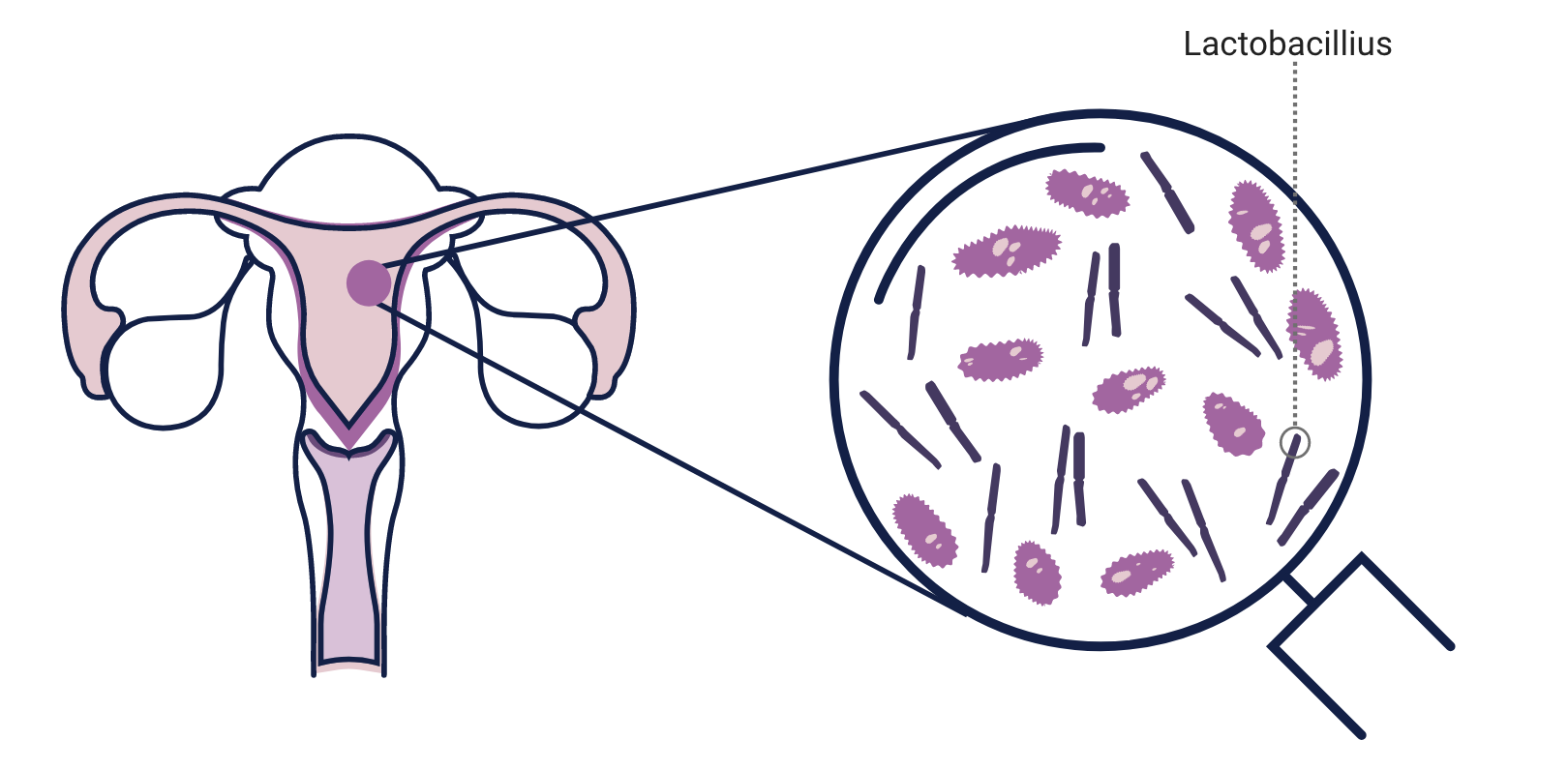
Endometrial Microbiome Testing is recommended for:
- Women who have had multiple failed embryo implantations
- Women struggling with fertility
- Patients seeking reassurance regarding implantation success
- RIF patients with one remaining high-quality embryo available for transfer
Benefits of Endometrial Microbiome Testing
- Identifies imbalances in the endometrial microbiome
- Detects reproductive tract pathogens
- Helps guide personalised fertility treatment strategies
- May reduce time to successful pregnancy
Combined Endometrial Health Testing
3-in-1 Endometrial Test
A combined test can provide a more comprehensive understanding of both implantation timing and the endometrial environment. This 3-in-1 test evaluates:
- Window of Implantation
- Abundance of Lactobacillus
- Presence of reproductive tract pathogens
This allows clinicians to personalise embryo transfer timing while ensuring the endometrial environment is optimal.
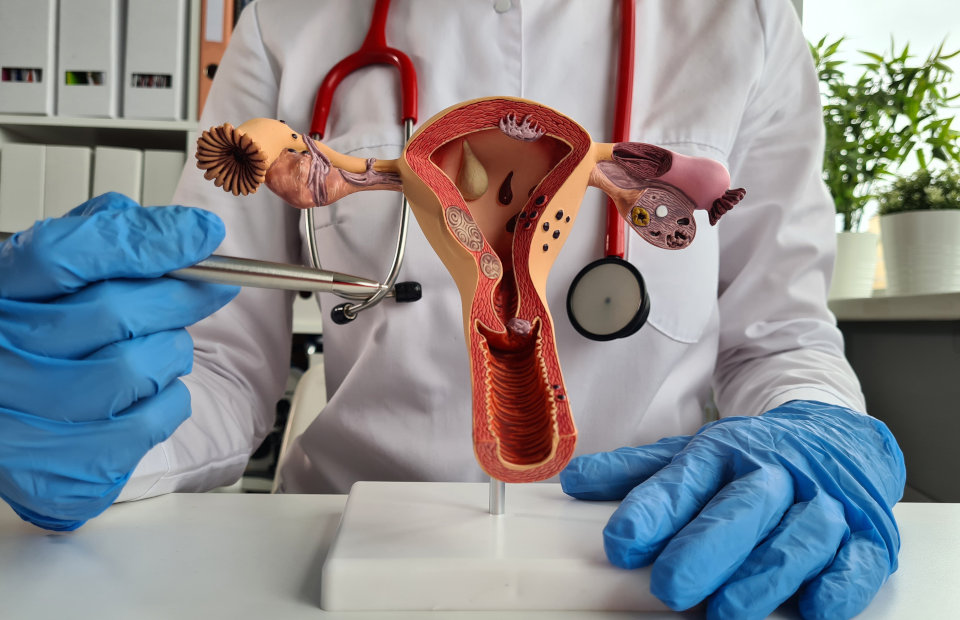
How Endometrial Health Testing Works
Testing Process

Ordering the Test:
Contact
genetics
@nextbio.co.za
to order the endometrial
test.


Endometrial Biopsy:
A biopsy is
performed during a
mock IVF cycle or
natural cycle
depending on the
test.
Sample Collection:
A specialised
sampling device
collects
approximately
10mm of
endometrial tissue.

Sample Shipment:
The sample and
completed
requisition forms
are shipped to the
laboratory.

Laboratory Analysis:
Gene expression
analysis or
microbiome
analysis is
performed.

Results Reporting:
Results are provided
to the referring
healthcare provider
within 14 days.
Frequently Asked Questions
Find answers to common questions about Endometrial Health Testing:
References
- Internal CSI Data, 2022
- Ohara et al, Clinical relevance of a newly developed endometrial receptivity test for patients with recurrent implantation failure in Japan. Reprod Med Biol, 2022