Preimplantation Genetic Testing for Monogenic Disorders, or PGT-M, is a genetic test performed before pregnancy to significantly reduce the risk of having a child with a specific genetic disease.
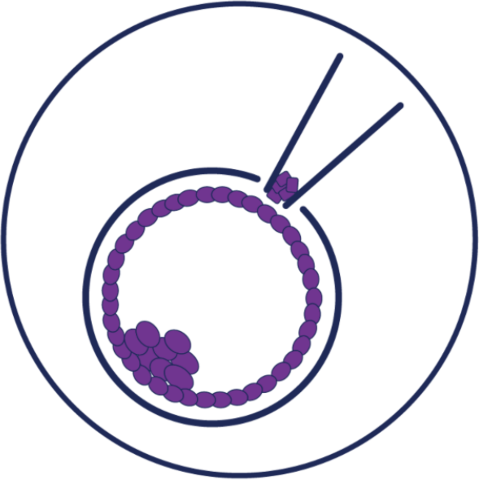
PGT-M is performed in conjunction with IVF and is appropriate when a known genetic mutation exists within a family.
PGT-M is performed with serial PGT-A testing on unaffected and carrier embryos to reduce the risk of both single gene disorders and chromosome abnormalities.
 Who Should Consider PGT-M?
PGT-M may be appropriate for:
- Couples who are carriers of the same autosomal recessive condition
- Carriers of X-linked conditions
- Individuals with autosomal dominant conditions
- Carriers of mutations associated with hereditary cancer syndromes
Genetic counselling is required before proceeding.

How the PGT-M Process Works
The full process may take several months depending on complexity.

Genetic counselling and case review

Collection of DNA samples from relevant family members
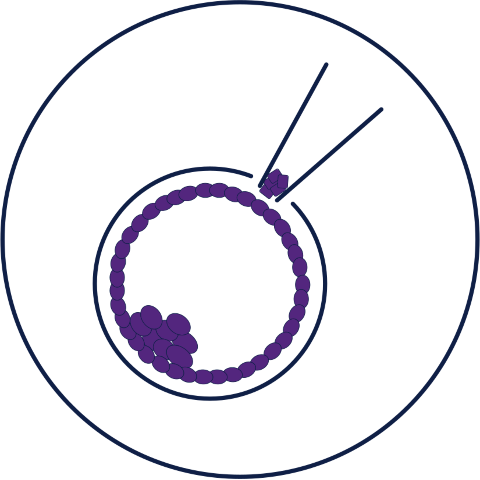
IVF cycle and embryo biopsy
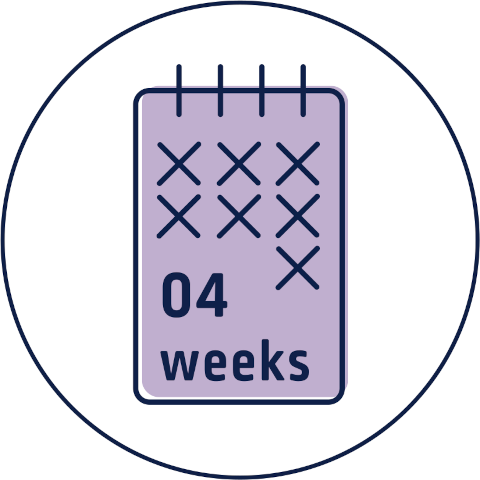
Custom test design, and laboratory testing of embryo biopsy samples typically 4 to 6 weeks

Results released to your fertility clinic
Frequently Asked Questions
Find answers to common questions about PGT-M: