Preimplantation Genetic Testing for Aneuploidy, or PGT-A, is a genetic screening test performed on embryos created through IVF to assess chromosome number before embryo transfer. Testing occurs at the preimplantation stage, usually around day 5 or 6 of embryo development.
We offer PGT-A designed to help improve pregnancy outcomes and reduce the risk of miscarriage by avoiding the transfer of embryos with an incorrect number of chromosomes.
 What Is a Chromosomal Abnormality?
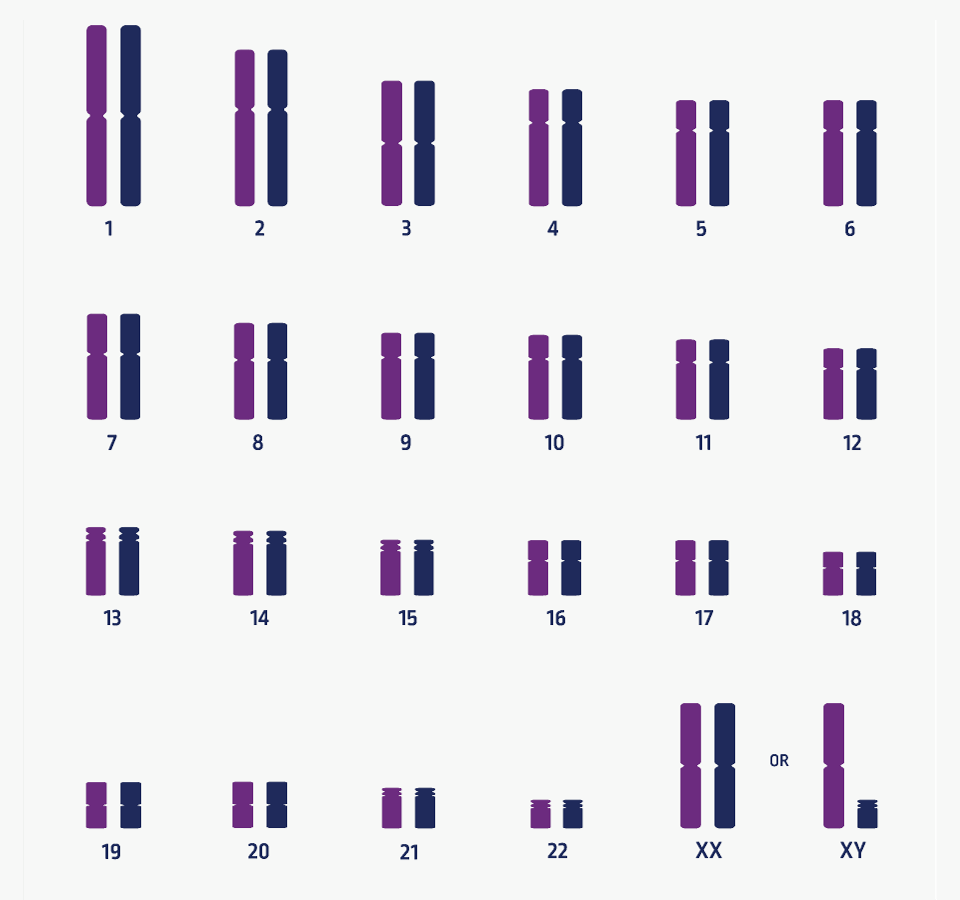
Humans typically have 23 pairs of chromosomes (46 in total) within almost every cell in our body. One chromosome of each pair comes from our mother, and the other from our father. The first chromosome pairs are labelled 1-22. The last pair of these chromosomes are the sex chromosomes, which determine if you are genetically male or genetically female. Individuals who are genetically female typically have two X chromosomes, while individuals who are genetically male typically have an X and a Y chromosome.
A change in the number of chromosomes can lead to a change in development. Embryos with the incorrect number of chromosomes are unlikely to lead to a successful pregnancy, may end in a miscarriage, or may result in the birth of a child with a genetic condition.
Embryos with the correct number of chromosomes are more likely to lead to a successful pregnancy.
Correct number of chromosomes (euploid)
This embryo is most likely to lead to a successful pregnancy.
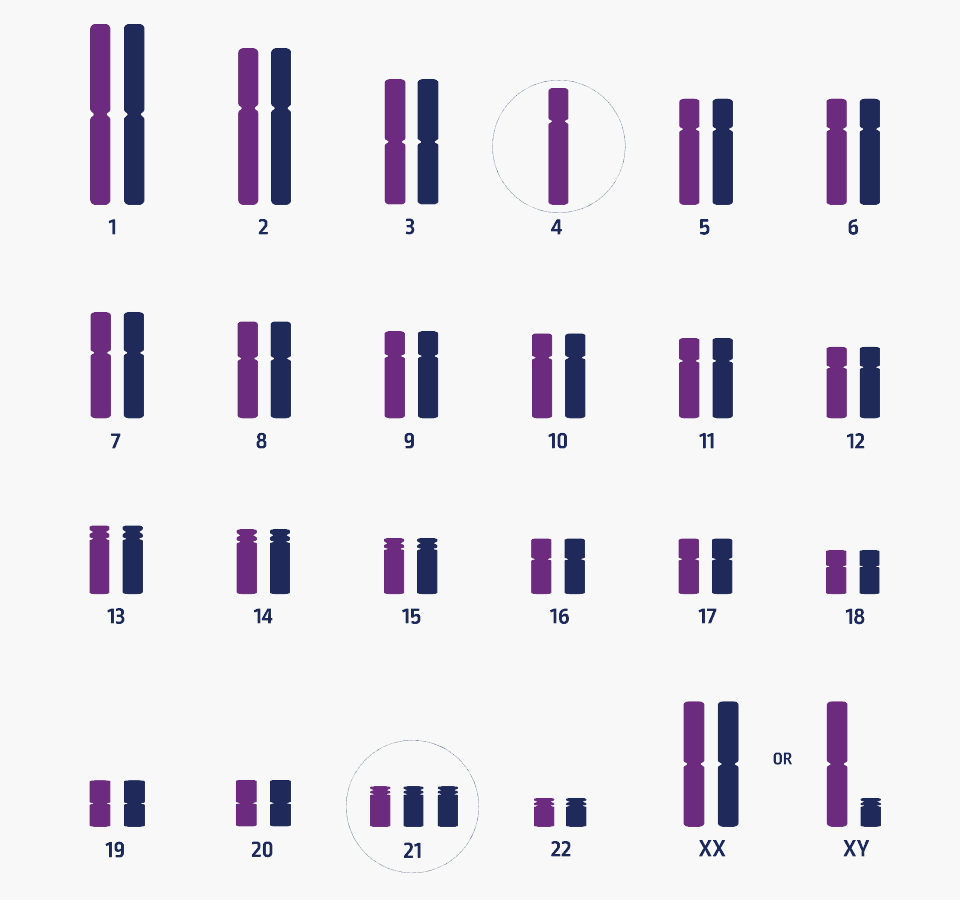
Incorrect number of chromosomes (aneuploid)
Extra or missing chromosomes lower the chance of a successful pregnancy and increase the risk of miscarriage or the birth of a child with a genetic condition.
Who May Benefit From PGT-A?
PGT-A is available to any IVF patient but is commonly considered in the following situations:
- Advanced maternal age, typically 35 years or older
- Recurrent pregnancy loss
- Recurrent implantation failure
- Severe male factor infertility
Your fertility specialist can advise whether PGT-A is appropriate for you.
Benefits Of PGT-A
Published studies have reported that PGT-A may: 3,4
- Increase pregnancy rates per embryo transfer
- Reduce time to pregnancy
- Reduce miscarriage rates
- Increase confidence in single embryo transfer
Individual outcomes may vary.
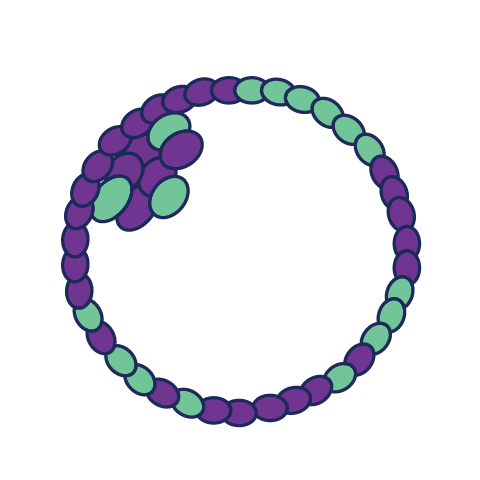
For every embryo tested, the different possible results are:
|
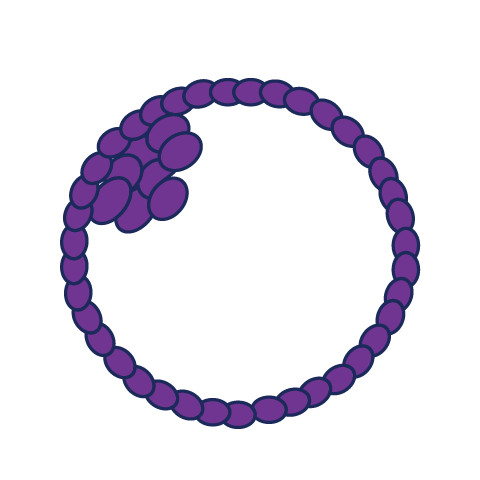
Euploid Correct number of chromosomes |
Aneuploid Incorrect number of chromosomes |
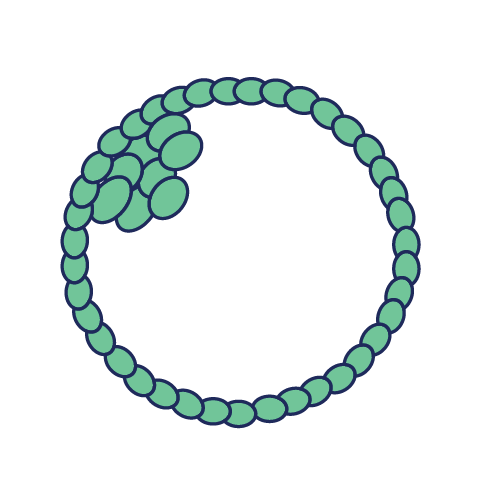
Mosaic Mixture of cells with correct number of chromosomes and cells with incorrect number of chromosomes |
|
|---|---|---|---|
| Likelihood of successful pregnancy | Yes | Very unlikely | Low but possible |
| Recommended for transfer | High | No | No, but may be considered if no euploid embryos available following detailed genetic counselling |
 |
 |
 |
How Does PGT-A Work?
Embryos are grown to the blastocyst stage, typically day 5 or 6 of development. A trained embryologist performs a biopsy, removing a few cells from the outer layer of the embryo. The embryo is then frozen while the biopsied cells are sent to the Next Biosciences laboratory for chromosomal analysis. Results are released to your fertility specialist, who will discuss them with you and guide embryo selection.

IVF:
Embryos are created by the fertility clinic.

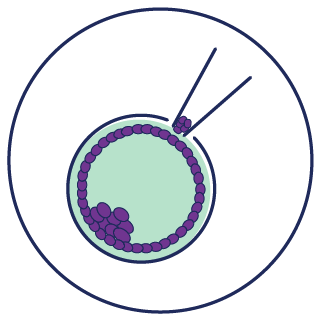
Embryo Biopsy:
The embryologist will biopsy 5-10 trophectoderm (TE) cells from a day 5 or day 6 blastocyst stage embryo.

Sample Preparation [Amplification]:
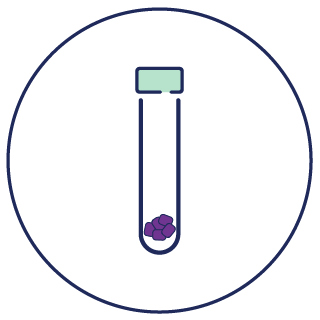
Next Biosciences receives the TE cell samples. The samples undergo DNA amplification to prepare them for PGT-A testing.
Sample Testing (PGT-A):
Next Biosciences uses the VeriSeq PGS assay for testing of each individual sample, representative of each individual embryo.

Embryo Transfer & Improved Chance of Success:
The PGT-A results for each embryo will guide the selection process for choosing the embryo/s with a higher chance of achieving a successful pregnancy to be transferred.
Embryo Cost Calculator
* Courier fees of samples from the clinic to the lab are calculated separately on an ad-hoc basis & will be communicated to you by the client services team.
| Item | Qty | Unit Price | Cost |
|---|---|---|---|
| Embryos | 0 | 0 | 0 |
| Amplification/Storage | 0 | 0 | 0 |
| Testing (Previously Stored) | 0 | 0 | 0 |
| Grand Total | 0 |
Frequently Asked Questions
Find answers to common questions about PGT-A:
References
- ESHRE PGT Consortium Steering Committee, Carvalho F, Coonen E, et al. ESHRE PGT Consortium good practice recommendations for the organisation of PGT. Hum Reprod Open. 2020;2020(3):hoaa021. Published 2020 May 29. doi:10.1093/hropen/hoaa021.
- Practice Committees of the American Society for Reproductive Medicine and the Society for Assisted Reproductive Technology. The use of preimplantation genetic testing for aneuploidy (PGT-A): a committee opinion. Fertil Steril. 2018;109(3):429-436. doi:10.1016/j.fertnstert.2018.01.002.
- Rubio C, Bellver J, Rodrigo L, et al. In vitro fertilization with preimplantation genetic diagnosis for aneuploidies in advanced maternal age: a randomized, controlled study. Fertil Steril. 2017;107(5):1122-1129. doi:10.1016/ j.fertnstert.2017.03.011.
- Anderson RE, Whitney JB, Schiewe MC. Clinical benefits of preimplantation genetic testing for aneuploidy (PGT-A) for all in vitro fertilization treatment cycles. Eur J Med Genet. 2020;63(2):103731. doi:10.1016/j.ejmg.2019.103731.
- Gorodeckaja J, Neumann S, McCollin A, et al. High implantation and clinical pregnancy rates with single vitrified warmed blastocyst transfer and optional aneuploidy testing for all patients [published online ahead of print, 2019 Jan 7]. Hum Fertil (Camb). 2019;1-12. doi:10.1080/14647273.2018.1551628.
- Tiegs AW, Tao X, Zhan Y, et al. A multicenter, prospective, blinded, nonselection study evaluating the predictive value of an aneuploid diagnosis using a targeted next-generation sequencing-based preimplantation genetic testing for aneuploidy assay and impact of biopsy [published online ahead of print, 2020 Aug 27]. Fertil Steril. 2020;S0015-0282(20)30711-1. doi:10.1016/j.fertnstert.2020.07.052.
- Munné S, Kaplan B, Frattarelli JL, et al. Preimplantation genetic testing for aneuploidy versus morphology as selection criteria for single frozen-thawed embryo transfer in good-prognosis patients: a multicenter randomized clinical trial. Fertil Steril. 2019;112(6):1071-1079.e7. doi:10.1016/j.fertnstert.2019.07.1346.