What Is Stem Cell Banking
Umbilical stem cell banking harvests the stem cells from the umbilical cord blood and tissue at the birth of a baby.
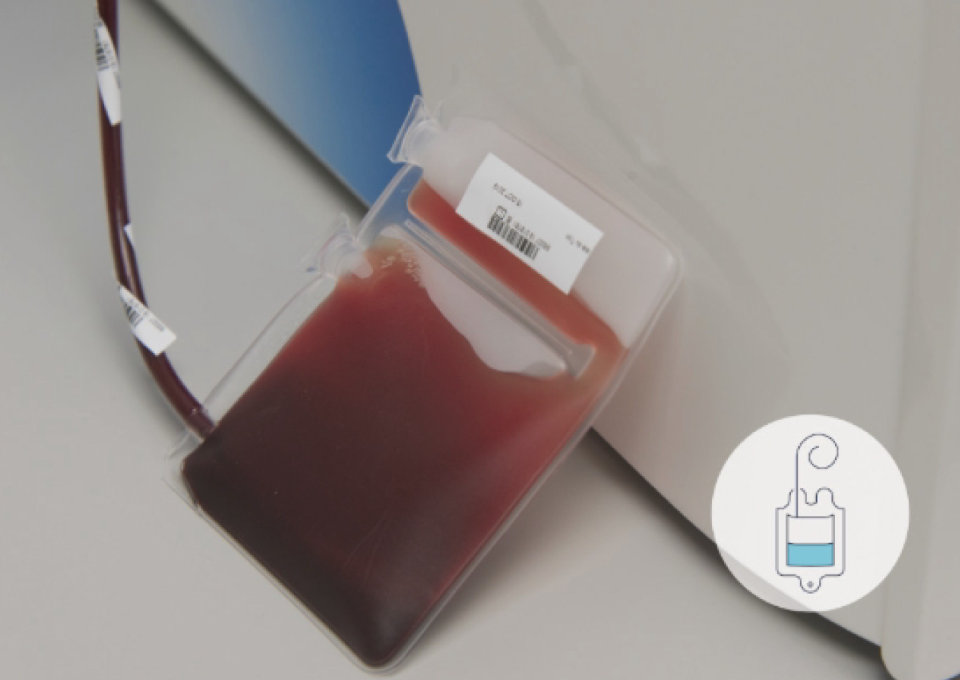
The umbilical cord blood is rich in Haematopoietic stem cells (HSCs) which can be used to help treat over 80 blood-related diseases.
These stem cells are used in the regeneration of bone marrow and an alternative source of stem cells for a bone marrow transplant.
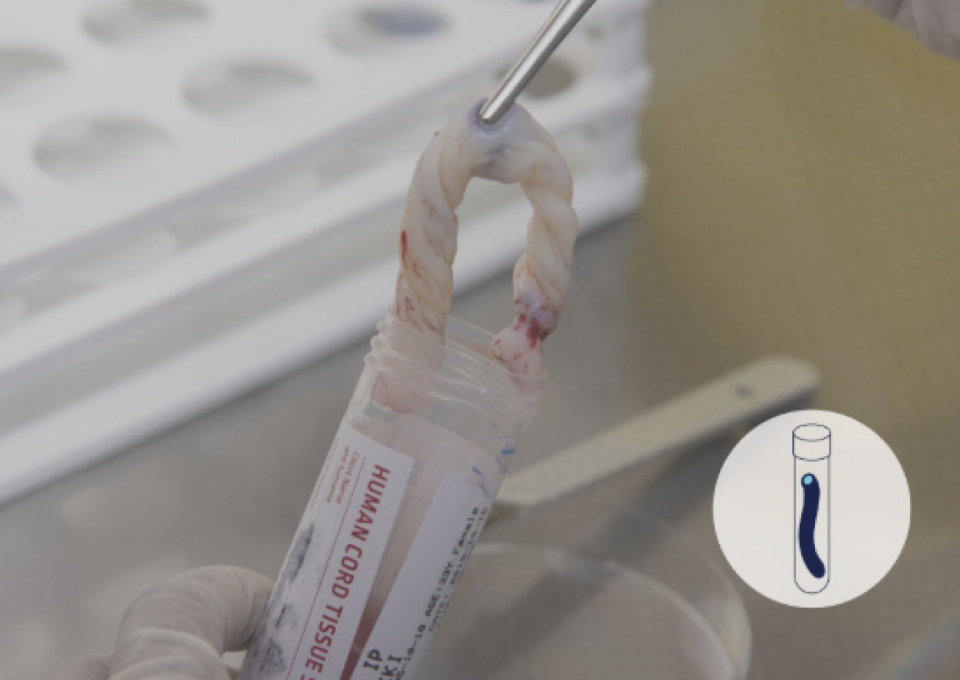
The umbilical cord tissue is rich in Mesenchymal stem cells (MSCs) which form the connective tissues in our bodies.
These stem cells hold considerable potential in treating a wide variety of medical and aesthetic conditions, such as treating burns or wounds that are battling to heal. They are currently being used in a number of clinical trials.
How is Umbilical Cord Blood Collected?
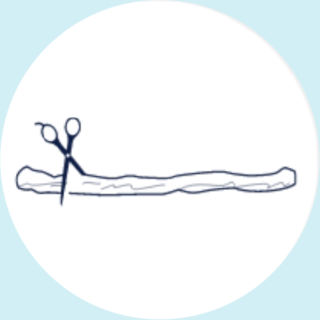
The umbilical cord is clamped and cut after birth.
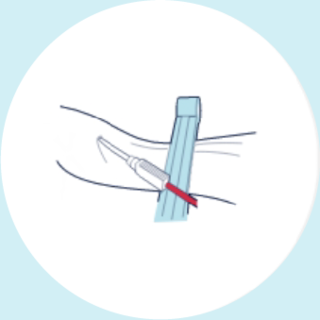
A sterile needle is inserted into the umbilical cord vein and the blood is collected into a sterile medical bag.
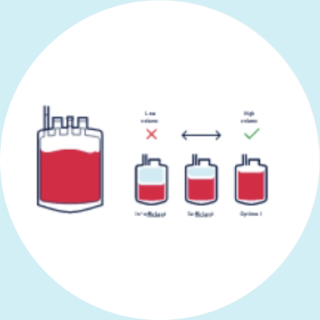
Between 100 and 150ml of cord blood is needed for successful storage.
How is Umbilical Cord Tissue Collected?
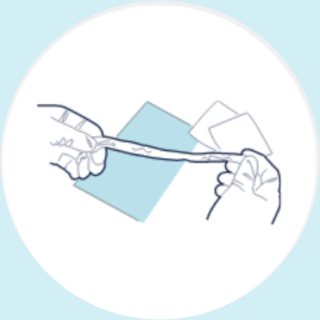
Cord tissue is collected by your gynaecologist, doctor or midwife once baby is safely delivered.
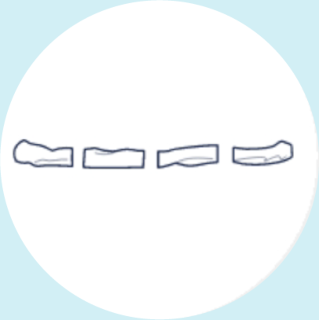
After cord blood collection and delivery of the placenta, a 10 to 15 cm section of the umbilical cord is cleaned and cut.
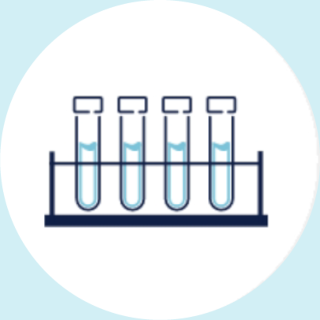
The tissue is placed into a sterile collection tube and secured for transport back to the laboratory.
If you are unfamiliar with the process, please see our optimal collection video which takes you through a collection.
There are also optimal collection protocols available for download should you prefer.
Technology
Netcells makes use of PrepaCyte-CB (Cord Blood)® processing technology when processing the cord blood stem cells.
It was developed in 2009 in the US, specifically for the processing of cord blood. It is a sterile, US FDA 510k approved closed processing system. Netcells chose to adopt this processing method because it recovers more colony forming stem cells, has lower levels of red blood cells post processing and stem cells processed with this method offer a quicker time to engraftment, than other cord blood processing methods.1
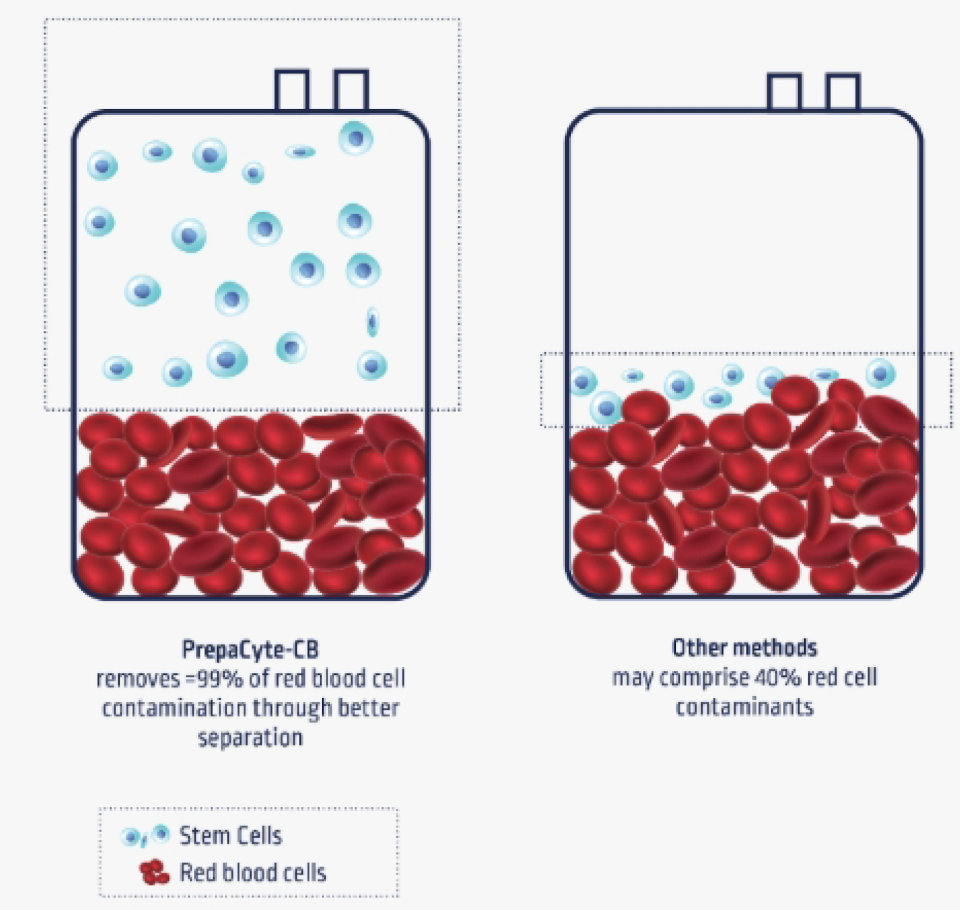
PrepaCyte-CB® leads to better separation of the red blood cells from the plasma and white blood cells by a process called sedimentation.
It creates a clear physical difference in separation of cell types, which means it is able to capture more stem cells whilst reducing red blood cells by up to 99%.
Cord Blood Methodology

The sample arrives at the laboratory, is checked by a technician along with the paperwork and is captured into the database.
The cord blood unit is passed into the cleanroom for sterile processing.
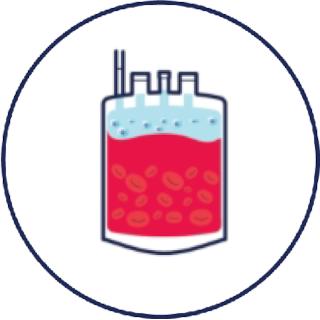
The PrepaCyte-CB solution is added to the cord blood, thoroughly mixed and given time for sedimentation to occur. The supernatant is then separated from the red blood cells.
Following centrifugation the pelleted cells are expressed into the freezer bag.
The cryopreservative is added to the pelleted cells and a controlled rate freeze is performed, following which the cells are stored in our liquid nitrogen tanks in the vapour phase of liquid nitrogen.
Cord Tissue Methodology
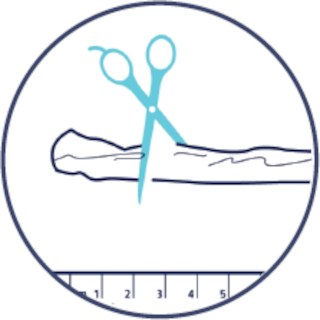
A 10-15cm of cord tissue is received. This is washed twice in antibiotic solution and twice in saline.
The cord tissue is cut into tiny pieces and placed into 5 cryovials per client.
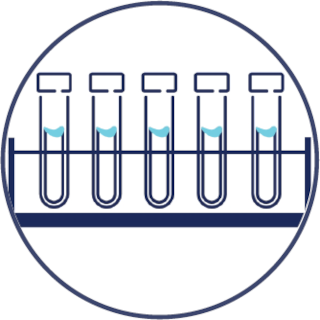
Cryomedia (cryopreservative containing DMSO) is then added to the first four cryovials.
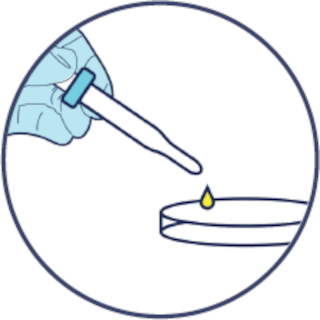
For the 5th cryovial, MTT is added, which is a yellow solution that turns purple when added to healthy, respiring cells. This serves as a cord tissue viability test.
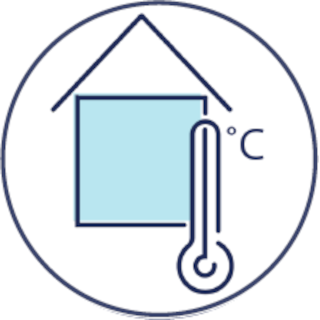
These are then placed in the control rate freezers and then into the cryogenic tanks for final storage.
Standard Therapies
Leukaemias
(i.e. acute and chronic)
Myelodysplastic Syndromes
(i.e. Refractory Anaemia)
Lymphomas
(i.e. Hodgkin’s and Non-Hodgkin’s Lymphoma)
Anaemias
(i.e. Sickle Cell and Fanconi Anaemia)
Inherited Platelet Abnormalities
(i.e. Congenital Throma)

Myeloproliferative Disorders
(i.e. Myelofibrosis)
Inherited Immune System Disorders
(i.e. SCID)
Metabolic Disorders
(i.e. Lysosomal Storage and Leukodystrophy Disorders)
Cancers in Bone Marrow
(i.e. Multiple Myeloma)
Other Cancers
(i.e. Neuroblastoma, Medulloblastoma and Retinoblastoma)
Clinical Trials
| Diagnosis |
Cord Blood Allogeneic |
Cord Blood Autologous |
Cord Tissue Allogeneic |
|---|---|---|---|
| Alzheimer's disease | |||
| Autism | |||
| Cerebral palsy | |||
| Encephalopathy | |||
| Global developmental delay | |||
| Hearing loss (acquired sensorineural) | |||
| Intraventricular Haemorrhage | |||
| Parkinson's disease | |||
| Spinal cord injury | |||
| Stroke | |||
| Traumatic brain injury |
| Diagnosis |
Cord Blood Allogeneic |
Cord Blood Autologous |
Cord Tissue Allogeneic |
|---|---|---|---|
| Alopecia areata | |||
| Amyotrophic Lateral Sclerosis (ALS) | |||
| Crohn's disease | |||
| Eczema (Atopic Dermatitis) | |||
| Graft-versus-Host Disease (GvHD) | |||
| Lupus | |||
| Multiple sclerosis | |||
| Psoriasis | |||
| Rheumatoid arthritis | |||
| Systemic sclerosis | |||
| Ulcerative colitis |
| Diagnosis |
Cord Blood Allogeneic |
Cord Blood Autologous |
Cord Tissue Allogeneic |
|---|---|---|---|
| Acute myocardial infarction (Heart Attack) | |||
| Cardiomyopathy | |||
| Critical limb ischemia (CLI) | |||
| Heart Failure | |||
| Peripheral arterial disease (PAD) | |||
| Surgery for congenital heart defects |
| Diagnosis |
Cord Blood Allogeneic |
Cord Blood Autologous |
Cord Tissue Allogeneic |
|---|---|---|---|
| Diabetes, Type 1 (Auto-immune) | |||
| Diabetes, Type 2 | |||
| Diabetic foot ulcer | |||
| Diabetic peripheral neuropathy |
| Diagnosis |
Cord Blood Allogeneic |
Cord Blood Autologous |
Cord Tissue Allogeneic |
|---|---|---|---|
| Aging frailty | |||
| Duchenne muscular dystrophy | |||
| Epidermolysis bullosa | |||
| Hereditary ataxia | |||
| Lysosomal storage diseases | |||
| Metabolic syndrome | |||
| Severe combined immunodeficiency | |||
| Spinal muscular atrophy | |||
| Tay-Sachs |
| Diagnosis |
Cord Blood Allogeneic |
Cord Blood Autologous |
Cord Tissue Allogeneic |
|---|---|---|---|
| Ankylosing spondylitis | |||
| Cartilage injury | |||
| Cleft palate repair | |||
| Non-Union fractures | |||
| Osteoarthritis | |||
| Osteochondral lesion | |||
| Spinal fusion surgery |
| Diagnosis |
Cord Blood Allogeneic |
Cord Blood Autologous |
Cord Tissue Allogeneic |
|---|---|---|---|
| Acute respiratory distress syndrome (ARDS) | |||
| Bronchopulmonary dysplasia (BPD) (lung disorder due to premature birth) | |||
| Erectile dysfunction | |||
| Eye diseases | |||
| Fistula | |||
| HIV | |||
| Kidney failure | |||
| Liver cirrhosis | |||
| Liver failure | |||
| Peyronie's disease | |||
| Premature ovarian failure | |||
| Uterine scars | |||
| Wounds |
References
- https://www.ncbi.nlm.nih.gov/pmc/articles/PMC4022688/ and https://pubmed.ncbi.nlm.nih.gov/19758367/.